
Updated October 14, 2026.
A real-life estate story about the things that look worthless – right up until they aren’t.
The Four Piles Nobody Warns You About
Dealing with the death of a loved one comes with far more emotional stress than planning a funeral. Suddenly, you are also sorting through finances, paying bills, closing accounts with what feels like the maximum amount of paperwork legally permitted, locating the will or trust, figuring out who gets what, selling property and eventually staring at a lifetime of belongings while asking one very simple question:
What do I do with all this stuff?
While sorting through my uncle’s estate, I discovered we had four basic piles: sell, donate, trash and treasure.
Some decisions were easy. My grandfather’s World War II memorabilia? Treasure. No debate required.
An old Trans Am carburetor that looked like it had been sitting around waiting for someone to trip over it, but turned out to be a unicorn part to collectors within a 500-mile radius? That one was a little less obvious.
And that became the problem: how do you tell trash from treasure while also handling the other 4,782 things an estate requires? Who even has that kind of time?
Time vs. Money: The Estate Executor’s Daily Debate
At some point, every executor has to decide which is more valuable: time or money.
I was handling my uncle’s asset dissolution, and my uncle, on the other hand, had apparently spent years preparing for the possibility that someone might one day need seventeen versions of everything. There was a lot to sort. I wanted to honor his belongings and recover reasonable value for the estate. I did not, however, want to rent a U-Haul for the next ten years while I researched every object he had ever touched.
That tension is exactly why a good estate inventory app can be so useful. A clear estate asset inventory gives you one shared place to photograph an item, record what you know, keep track of where it is and decide what happens next. When multiple family members, executors or helpers are involved, an estate belongings organizer also keeps “Did anyone take the blue thing from the garage?” from becoming a recurring family mystery or sometimes even an arguement.
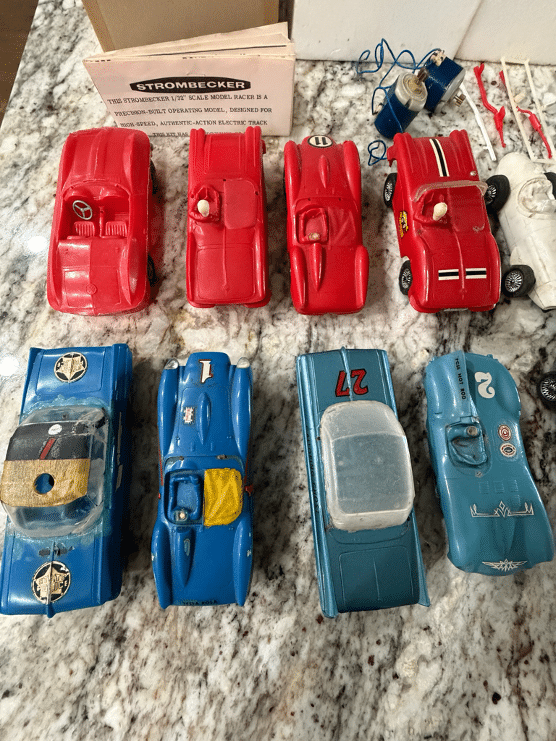
Exhibit A: The Slot Cars I Nearly Dismissed
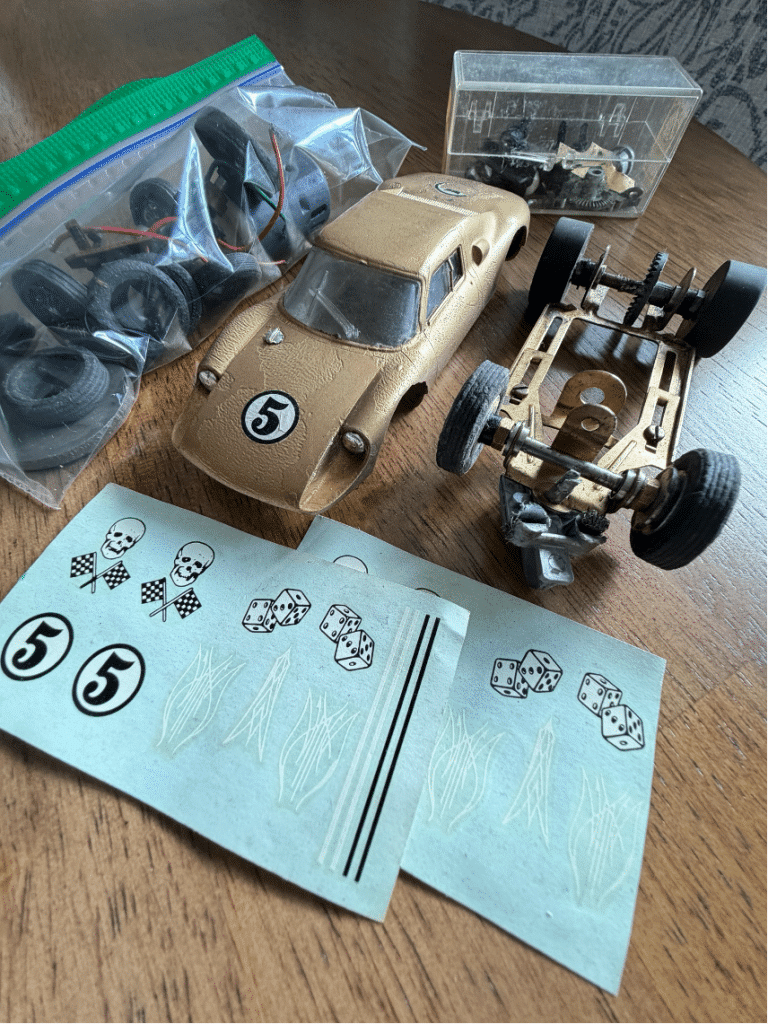
One of my favorite examples was a group of vintage Monogram and Strombecker slot cars. To someone of my generation, my first assessment was basically: broken plastic toys from the 1960s. No thanks!
Fortunately, somewhere in the back of my mind were a few episodes of Pawn Stars reminding me that old toys can be sneaky. Before tossing anything, we hired an antique-store owner to walk through the property and flag items we might be overlooking. When I noticed industry people stopping to take pictures of the slot cars, I realized there was something there I was missing. So I set them aside.
Later, when the dust settled, I researched comparable sales and discovered that individual cars and parts could have real collector interest. One car alone appeared capable of bringing around $150 depending on condition and the buyer. The group that might have landed in the trash suddenly had the potential to return a few hundred dollars to the estate. A few hundred dollars matters when an estate has hospital bills, property expenses and other obligations. And when those bills are covered, it can become money distributed to the family instead of value accidentally carried to the curb.
Why SortKind Exists
This exact experience helped shape the idea behind SortKind.
I kept thinking how much easier the process would have been if I could photograph belongings as we found them, organize everything in one place, track decisions and have useful information handy when someone asked, “What will you take for this?”
SortKind is designed to help executors, families and the people helping them build a probate inventory without relying on memory, scraps of paper, random photo albums and text-message archaeology. It can serve as an estate distribution tracker, too, so the item’s story does not end once you identify it: you can keep track of what is being sold, donated, kept or distributed.
And while people may go searching for an estate valuation app hoping technology can magically announce what every object is worth, value still requires judgment, research, condition checks and sometimes an expert. The advantage is having an organized starting point so you can cross-check information and make a more educated decision.
We still hired the estate-sale team because in one sense their 40% is worth every penny because I wanted my life back after eight months. But I also wanted to understand what I had before someone else made that decision for me.
The Question Isn’t Always “What’s It Worth?”
Sometimes the better question is: is the extra money worth the extra time?
Maybe an item is worth another $100 if you research it, photograph it, list it, pack it, answer twelve messages asking whether you will take half your asking price and then wait for the right buyer. Maybe you decide that $100 is absolutely worth the effort. Maybe you decide you would pay $100 to never look at that object again.
Both answers can be reasonable.
The goal is to remove as much guesswork as possible. Build the probate inventory. Photograph the belongings. Keep the estate asset inventory organized. Track what is happening to each item. Then, when someone standing in the middle of an already chaotic estate asks, “What will you take for this?” you can pull out your phone and give an educated answer.
Because “Let me get back to you” gets old quickly. And “How about $20?” is a painful sentence when the person asking already knows it is worth $200.
